Navigating the world of online roulette requires a solid foundation in the fundamental mechanics that govern each spin. Playing for real money brings an added layer of excitement, making it essential for players to comprehend the layout, wagering options, and corresponding return structures before placing their stakes. A clear grasp of these principles helps foster a more engaging and controlled gaming experience.
Fundamental Mechanics of Online Roulette
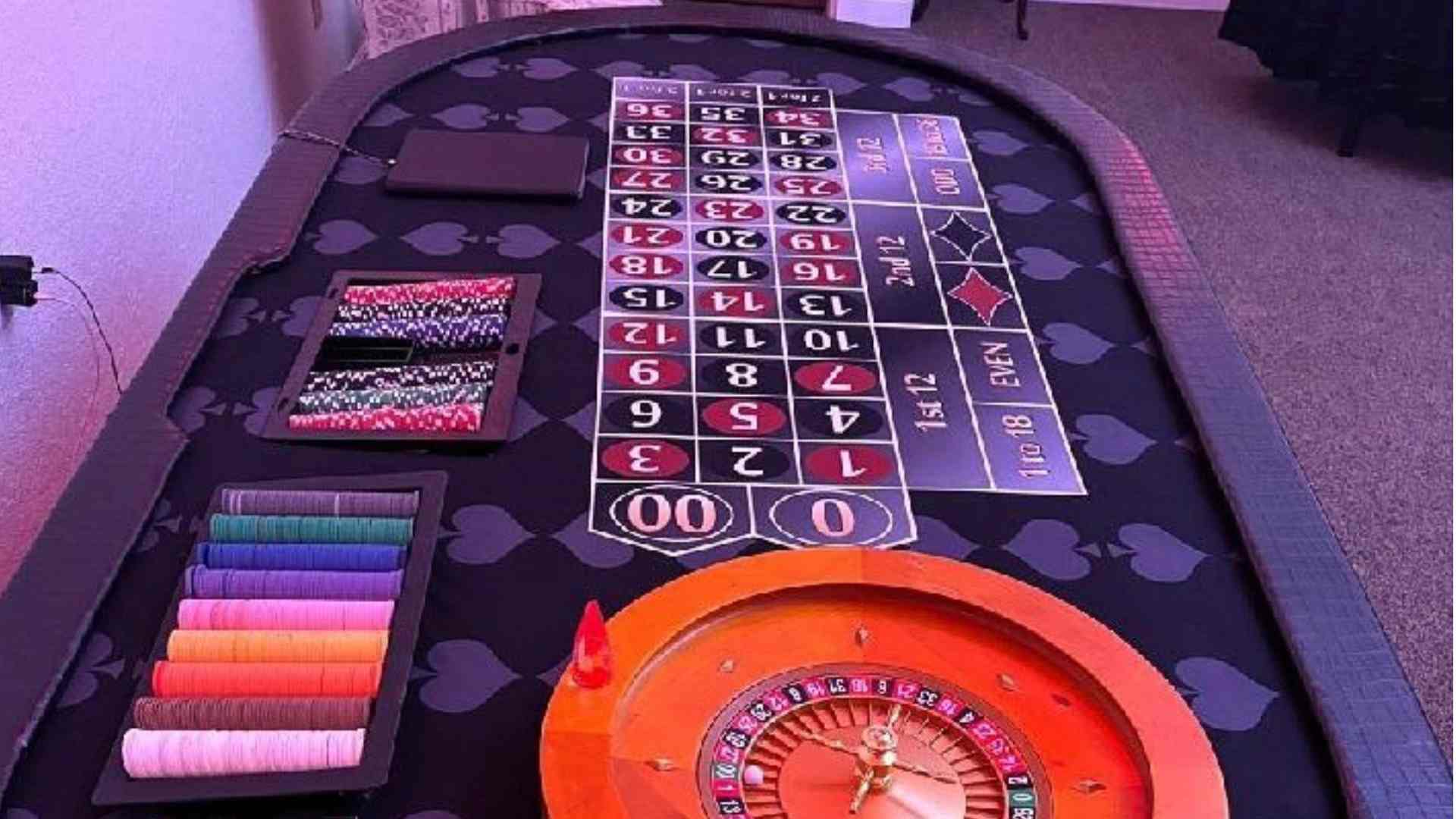
At its core, roulette centers on predicting where a small ball will land on a spinning wheel numbered from 0 to 36. Players place wagers on a designated table layout representing individual numbers, groupings, or colors before the wheel comes to a stop. Digital adaptations use random number generator software to ensure that every outcome remains entirely unbiased and unpredictable.
Understanding the distinction between wheel formats is a critical starting point for any participant. European roulette features a single zero pocket, whereas American roulette incorporates both a single and double zero pocket. This structural difference directly impacts the statistical advantage held by the house over time.
Exploring Inside Bets and Specific Odds
Inside bets refer to wagers placed on specific single numbers or small clusters of adjacent numbers on the table grid. Straight-up bets target a single number and yield the highest potential payout ratio of 35 to 1. Other inside wagers, such as splits, streets, and corner bets, cover multiple adjacent outcomes while slightly reducing the payout multiplier.
While inside bets offer substantial returns, they carry a lower probability of occurring on any given spin. Players who prefer high-risk, high-reward scenarios often incorporate inside strategies into their sessions. Popular gaming destinations like M88 esports login provide comprehensive table views that make selecting these precise number combinations intuitive and straightforward.
Understanding Outside Bets and Balanced Wagering
Outside bets cover broader categories of potential outcomes located on the outer perimeter of the wagering grid. These options include betting on red or black, odd or even, and high or low number ranges. Because these wagers cover nearly half of the available wheel outcomes, they offer a 1 to 1 payout structure and higher hit frequencies.
Column and dozen bets represent another layer of outside wagering, covering twelve numbers simultaneously for a 2 to 1 return. These broader options appeal to players seeking a steadier gameplay rhythm with lower volatility. Balancing inside and outside bets allows individuals to customize their overall risk profile to match personal preferences.
Evaluating Payout Rates and House Advantage
Calculated payout structures are closely tied to mathematical probability across different variant rules. In single-zero roulette games, the standard house edge remains around 2.7 percent for most standard betting types. Adding a second zero in American formats increases that margin to approximately 5.26 percent, subtly altering long-term theoretical returns.
Recognizing how these mathematical principles operate empowers participants to make better-informed decisions during active sessions. Selecting European variants whenever possible optimizes the statutory payback percentage. Paying close attention to game parameters ensures that every participant enters the digital table fully informed and prepared.