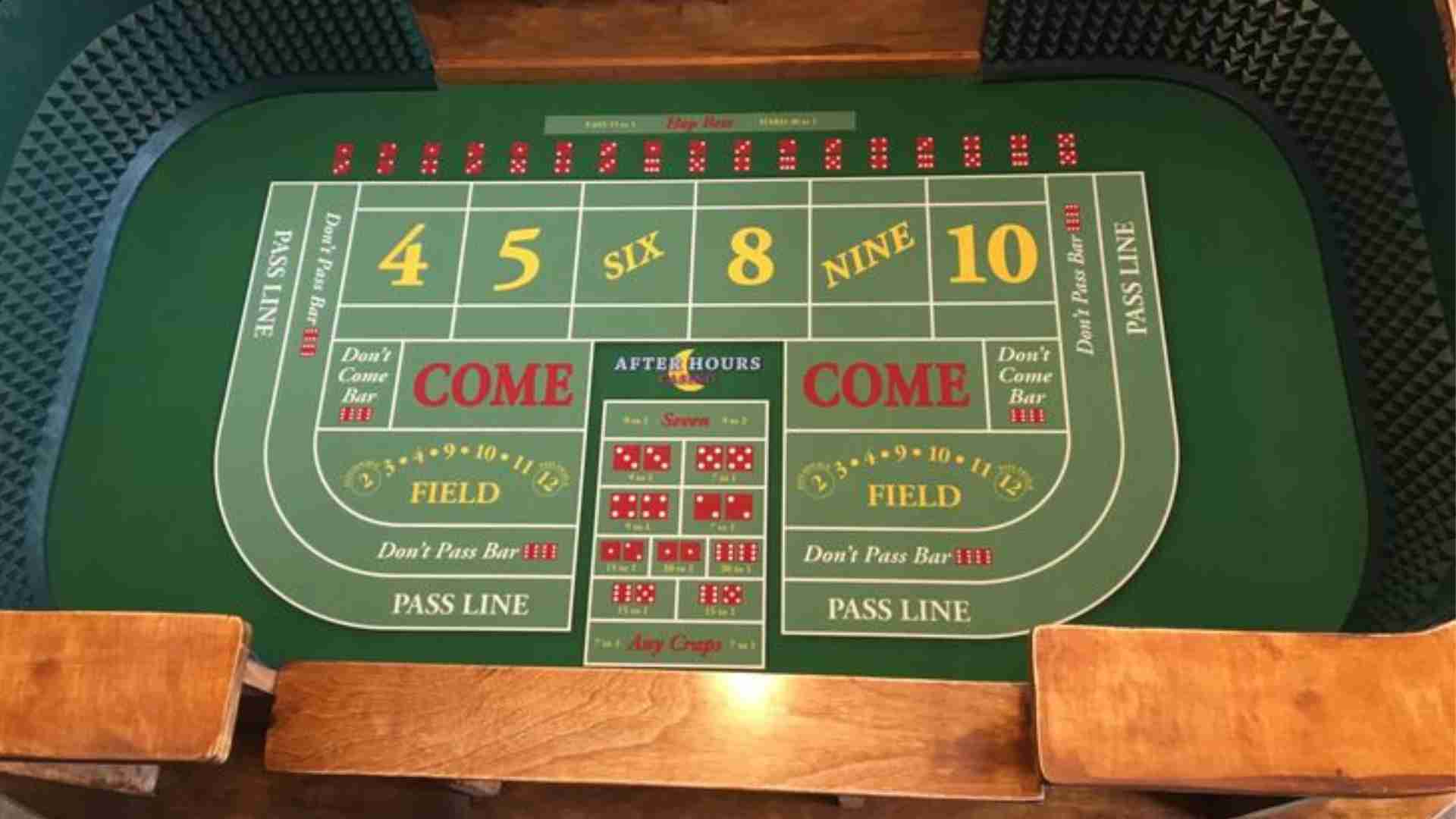
Stepping up to a competitive card game requires more than just understanding the basic rules and hand rankings. Developing a strong grasp of technical table language allows players to process information quickly and execute complex strategies. By mastering specialized vocabulary, card enthusiasts can transition from casual gameplay to high-level strategic thinking.
The Core Vocabulary of Table Actions
Every round of cards moves through a structured sequence where verbal declarations shape the psychological flow. Understanding when to verify your options without risking chips ensures you maintain complete control over your position. A check allows you to pass the action to the next seat, provided no prior wagers have been established during the current round.
Conversely, recognizing the right moment to increase the pressure requires a precise understanding of betting mechanics. Choosing to raise means you are forcing remaining opponents to match your higher valuation or exit the hand immediately. This basic dynamic establishes the foundational tension that dictates every competitive session.
Strategic Positional Vocabulary
Your physical location at the table heavily influences your tactical advantage throughout a match. Acting last in a round provides invaluable informational benefits, as you can observe your opponents behavior before making a choice. Experienced competitors refer to this ultimate strategic advantage as being in position.
Before the cards are even dealt, forced contributions ensure that every round begins with a valuable prize in the middle. Beginners must learn how the rotation impacts their responsibility to post these mandatory initial wagers. Exploring a reliable m88.com login alternatif platform can offer excellent insights into how these virtual positions shift in real-time environments.
Psychological Metrics and Reading Opponents
Mastering card games involves deducing the hidden strength of your opponents hands based on their structural patterns. A tell refers to any physical or behavioral change that inadvertently reveals the true nature of a competitor strategy. Developing a sharp eye for these subtle adjustments significantly upgrades your defensive capabilities.
In contrast, a calculated bluff occurs when a participant represents high value despite holding very weak cards. Executing this maneuver successfully demands precise timing and a deep understanding of table image. Recognizing these psychological parameters helps players eliminate guesswork and make objective calculations.
Managing Mathematical Variance
Even the most sophisticated strategy must occasionally contend with the unpredictable nature of card distribution. A bad beat describes a painful scenario where a statistically dominant hand loses to an unlikely card on the final street. Learning to accept these sudden reversals is essential for maintaining emotional composure during intense sessions.
The total collection of chips accumulated in the center of the table is known as the pot. Successful players constantly calculate their risk against the total value of this central prize before committing to a decision. Internalizing this specific vocabulary transforms casual card playing into a structured exercise in risk management.