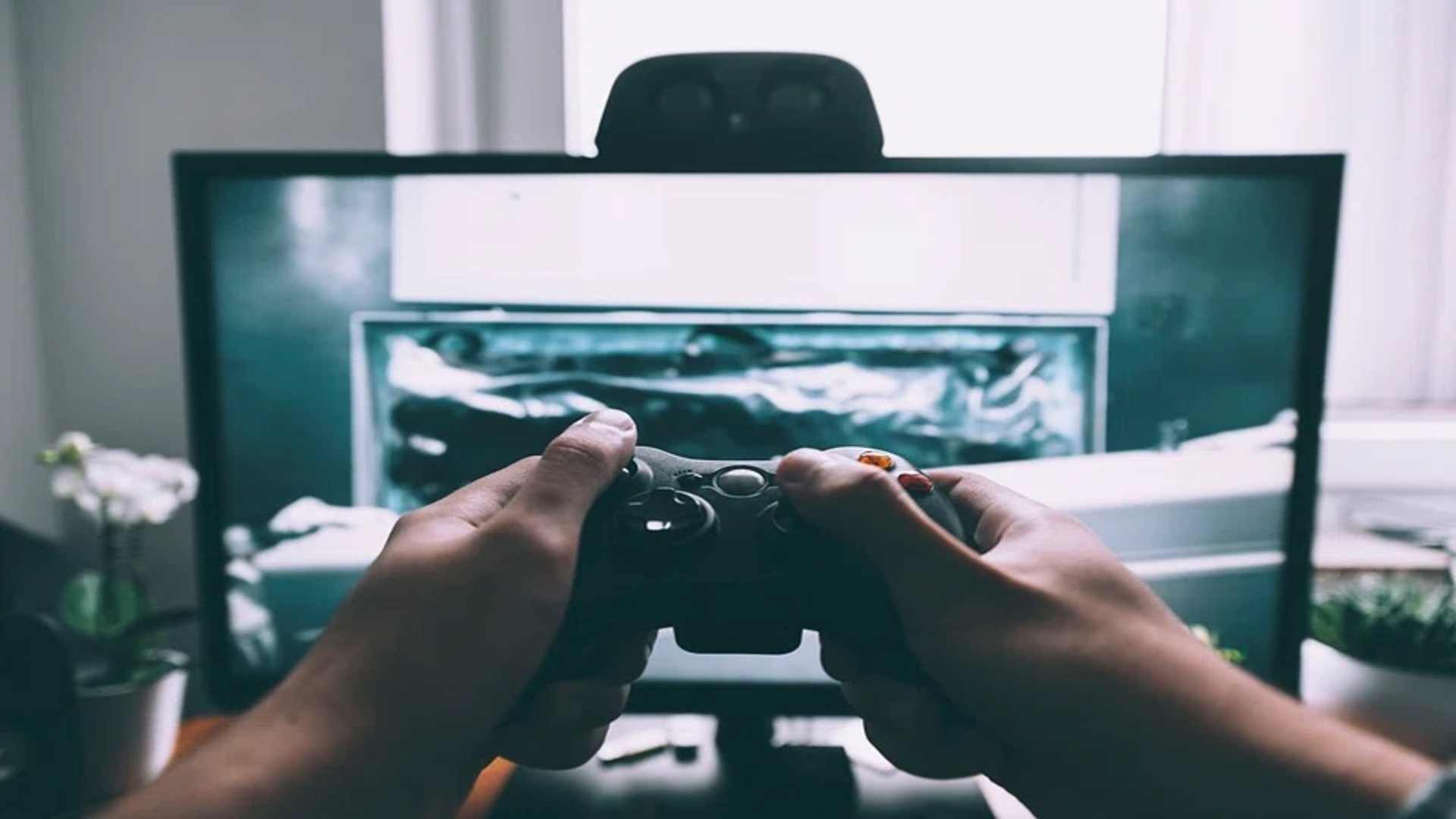
The relationship between physical interaction and emotional engagement remains one of the most fascinating areas of modern game design. When players engage with motion-based systems, every physical gesture directly influences the level of dramatic tension they experience. This intricate connection reveals how active bodily participation can drastically heighten the psychological feeling of uncertainty and anticipation during a gaming session.
The Psychology of Physical Gestures and Tension
Human immersion deepens significantly when physical actions carry direct consequences within a virtual environment. Unlike traditional controller inputs, motion-driven mechanics require precise spatial awareness and deliberate bodily control from the participant. This physical investment forces the brain to focus intently on the present moment, multiplying the perceived stakes of each individual action.
As a result, a simple shift in posture or a slow rotation can trigger a powerful emotional response. The constant threat of making an incorrect physical movement creates a natural feedback loop that amplifies ambient tension. Players become deeply connected to the simulation because their own physical stability determines success or failure.
How Kinetic Feedback Alters Player Expectations
Modern developers intentionally use kinetic feedback loops to manipulate the pacing of interactive entertainment. By slowing down required movements or forcing sudden stops, software mechanics can easily generate a profound sense of dramatic vulnerability. This structural pacing mirrors classic cinematic storytelling, where quiet moments often build the most memorable spikes of anxiety.
Furthermore, when a system responds dynamically to a player's physical input, the line between reality and digital space begins to blur. Leading digital entertainment providers like m88 understand this dynamic, implementing highly responsive interfaces that keep casual participants thoroughly engaged. The combination of unpredictable outcomes and tactile input ensures that each gameplay loop feels uniquely impactful.
Designing Environments Around Active Real Time Participation
Creating genuine suspense through bodily action requires a careful balance within the surrounding digital environment. Visual cues and audio design must complement the player's physical efforts to maintain a cohesive atmosphere. If the digital representation fails to match the actual physical exertion, the feeling of authentic immersion quickly breaks down.
Therefore, successful creators focus on building environments that reward slow, deliberate interaction rather than frantic motion. When participants are forced to move carefully through a virtual landscape, their natural caution translates directly into psychological suspense. This design philosophy proves that restriction and precision are often more effective tools for building drama than rapid action.
The Future of Immersive Software and Spatial Tension
As spatial tracking technology continues to advance, the potential for building deep movement-based suspense grows exponentially. Future systems will likely track bio-metrics and subtle muscle tension to adjust gameplay difficulty in real time. This evolution will allow software to create personalized psychological experiences tailored directly to an individual's physical responses.
Ultimately, the core thrill of interactive media relies on giving participants a genuine sense of agency over their destiny. Connecting physical movement with emotional suspense guarantees a highly memorable experience that lasts long after the session concludes. By continuing to innovate within this behavioral space, developers ensure that modern entertainment remains deeply gripping and fundamentally unique.