Legal definitions plays a major role in shaping the gaming experience for visitors across different jurisdictions. In North America, tribal gaming regulations divide electronic terminals and table games into specific categories. Understanding the technical and legal distinctions between Class 2 and Class 3 establishments helps players know what to expect when stepping onto the gaming floor.
Defining Class 2 Gaming Mechanics
Class 2 gaming covers competitive non-banking games where players play against each other rather than the house. The most common manifestation of this model is bingo, along with electronic games designed to look like traditional slot machines. On a Class 2 electronic terminal, outcomes are determined by a central electronic bingo draw happening in the background.
Because players compete against others connected to the same network, a prize is awarded whenever someone hits the winning bingo pattern. This system operates under distinct federal regulations that grant tribal governments direct oversight without requiring state compacts. Many players looking into digital alternatives or international platforms like m88 often research how various gaming systems determine winning outcomes.
The Nature of Class 3 Las Vegas Style Gaming
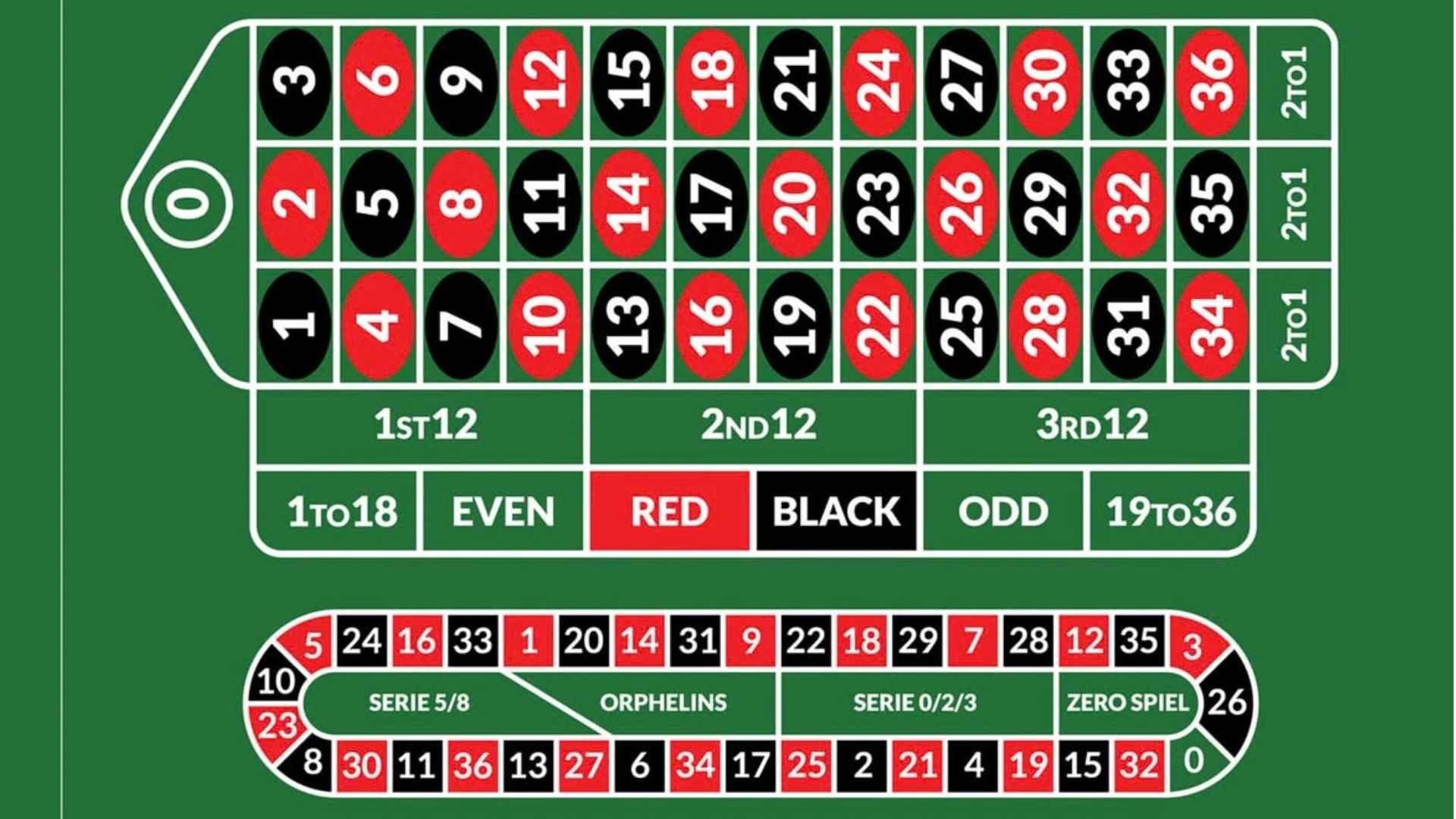
Class 3 gaming encompasses all traditional casino offerings, often referred to as Vegas-style gaming. This category includes traditional slot machines, roulette, craps, blackjack, and house-banked card games. Unlike Class 2 devices, Class 3 electronic gaming machines operate using an independent Random Number Generator embedded in each terminal.
In a Class 3 setting, every spin or draw is completely independent of other players and previous results. The player competes directly against the house mathematics rather than participating in a shared bingo draw. Implementing Class 3 gaming requires tribal nations to negotiate specific state-tribal compacts, which outline regulatory rules and revenue sharing terms.
Key Visual and Operational Differences for Visitors
From a player perspective, Class 2 and Class 3 slot machines can look identical on the surface. Both types feature colorful video reels, exciting bonus rounds, and modern sound effects. However, subtle visual cues, such as a small bingo card interface displayed in the corner of a Class 2 screen, reveal the underlying technology.
Additionally, the speed of play and cabinet behavior may differ slightly due to network processing. Class 2 machines must connect to a central server to match patterns with other active players before displaying the spin outcome. Class 3 machines process calculations instantly within the individual unit, providing immediate spin results without waiting for secondary players.
Regulatory Oversight and Future Outlook
The regulatory framework governing these two classifications impacts where and how gaming venues operate. The Indian Gaming Regulatory Act provides the framework that separates these tiers to protect sovereignty while encouraging economic development. As technology evolves, manufacturers continue to make Class 2 machines feel indistinguishable from Class 3 units.
Understanding these classifications provides valuable context for gaming enthusiasts evaluating venue choices. Whether visiting a local tribal destination or exploring global entertainment options, recognizing underlying game structures helps consumers make informed choices. Both classifications continue to thrive by providing engaging entertainment under unique legal standards.